How One Law Firm Changed My Perspective on Client Advocacy

As someone who has spent over a decade managing complex insurance claims, I’ve seen firsthand how the right legal guidance can completely shift an outcome. I first encountered Moseley Collins Law while reviewing a particularly intricate personal injury case. From the beginning, their approach was meticulous—not just in gathering documents, but in understanding the human impact behind every claim.

One situation that stands out involved a client with injuries that were not immediately obvious on medical scans. Many firms would have pushed for a fast settlement, hoping to close the file. Moseley Collins Law, however, took the time to document daily challenges, long-term medical needs, and workplace limitations. Their attention to detail meant that the client’s true needs were represented accurately, and the case outcome reflected real-world consequences rather than assumptions.

Another example came when I witnessed how they handle communication with insurers. Instead of inundating them with generic letters, they provided concise, evidence-backed submissions. I remember a file last spring where their organized approach cut weeks off the usual back-and-forth. From my vantage point, seeing a law firm streamline such a process without compromising on accuracy is rare—and impressive.

Finally, in a case involving disputed liability, Moseley Collins Law demonstrated patience and strategic foresight. They advised holding off on early negotiations until all medical evaluations were complete. That decision ultimately increased settlement value and protected the client from future complications. In my experience, many firms would have succumbed to pressure, risking a less favorable outcome.

Through my work, I’ve learned that effective legal representation is about more than knowing the law—it’s about understanding people, timing, and strategy. Moseley Collins Law excels because they balance all three. Their approach is disciplined yet human, ensuring clients aren’t just another file—they’re represented fully and fairly.

This firm left a lasting impression on me, and I’ve since recommended them to colleagues seeking legal partners who combine expertise with genuine care for the people they serve.

Posted on

The Difference Between a Tree That Needs Pruning and One That Needs to Go

I’ve been working as a professional arborist in Maryland for over a decade, and tree removal is one of those services people often misunderstand until they’re standing in their yard, looking up at a problem they can’t ignore anymore. The first time a homeowner calls me, it’s rarely because they want a tree goneTree Removal Company Maryland off—a limb cracked during a storm, roots lifting a walkway, or a tree that just doesn’t look alive the way it used to. That hesitation in the first conversation tells me a lot, and it’s where real decisions begin.

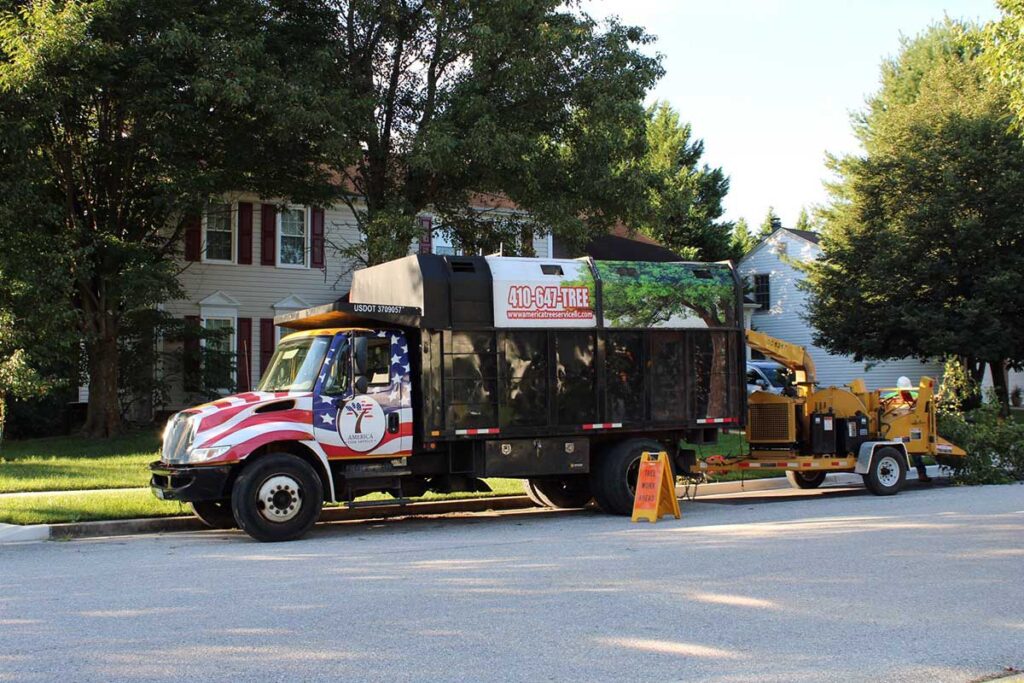
Tree Removal In Rockville, MD » American Tree Services

Early in my career, I remember a job in central Maryland where a large oak looked healthy from the street. The homeowner had been advised by a neighbor to “just trim it back.” When I walked the property, I noticed subtle fungal growth near the base and a hollow sound when I tapped the trunk. I’ve learned to trust those signs. We ended up removing the tree, and when it came down, the interior decay was extensive. Another season of heavy wind could have sent it into the house. That experience shaped how I explain risk to clients—calmly, clearly, and without scare tactics.

Tree removal in Maryland comes with its own challenges. Our soil conditions vary widely, and storms can change the stability of a tree faster than people expect. I’ve worked after spring storms where saturated ground caused trees to lean overnight. One case that sticks with me involved a maple that had shifted just enough to pull against a buried utility line. The homeowner hadn’t noticed until I pointed out the tension. Removing that tree required coordination, careful rigging, and patience. Those are the jobs that remind me this work isn’t about speed; it’s about control.

I’ve also seen common mistakes repeat themselves. Homeowners sometimes wait too long, hoping a tree will “recover” on its own. Others attempt partial removal to save money, not realizing that improper cuts can make a tree more unstable. I once inspected a property where an unlicensed crew had removed only the top of a damaged pine. The remaining trunk became a hazard, and the cost to fix it was higher than doing it correctly the first time. I don’t say that to criticize—most people simply don’t know what they’re looking at.

Credentials matter in this field, but I’ve never led with titles. I mention my training and years of experience naturally, usually while explaining why I’m recommending removal instead of pruning. In Maryland, permits and local regulations can also play a role, especially in established neighborhoods. I’ve helped clients navigate those situations after they were surprised to learn a tree couldn’t be removed without approval. Knowing how to handle that process saves time and frustration.

One of the more rewarding parts of my work is when removal leads to relief. I recall a family last fall who had been anxious every time the wind picked up because of a large, dying tree near their bedroom. After the removal, they told me they slept better for the first time in months. That’s not something you see on an invoice, but it matters.

In my experience, a good tree removal company doesn’t rush decisions or push unnecessary work. We evaluate, explain, and act when it’s truly needed. Trees add immense value to Maryland properties, and I advise against removal whenever preservation is safe. But when a tree becomes a liability, addressing it thoughtfully protects homes, people, and the rest of the landscape around it.

Tree removal is rarely just about cutting wood. It’s about reading signs others miss, understanding how Maryland’s environment affects growth and stability, and making choices that balance safety with respect for the property. After ten years in this work, those quiet decisions are the ones I take most seriously.

Posted on

Why Choosing the Right Sports Injury Chiropractor Matters

As a certified athletic trainer who has worked with competitive athletes for over 12 years, I’ve seen how pivotal the role of a Sports Injury Chiropractor can be in both recovery and long-term performance. One experience that sticks with me involved a semi-professional soccer player who came to me after suffering recurring hamstring and lower back issues. After collaborating with a chiropractor specializing in sports injuries and spinal decompression, we were able to identify subtle misalignments and imbalances that had been overlooked in standard physical therapy. Within a few weeks, not only did the athlete’s pain diminish, but their agility and strength noticeably improved—a testament to how targeted chiropractic care can make a difference.

5 Benefits of Medication Management: Greater Lowell Psychiatric Associates,  LLC: Psychiatric & Mental Health Specialists

Another case that stands out involved a local high school basketball player who had chronic shoulder pain from repetitive overhead motions. In my observation, the chiropractor didn’t just focus on adjustments but also guided corrective exercises, posture analysis, and injury-prevention strategies. I’ve found that this combination of hands-on therapy and education is what separates a routine chiropractor visit from a real sports injury recovery program. That player ended up returning to competitive play without limitations, which was incredibly rewarding to witness.

In my practice, I also encounter athletes who rush into treatment without checking a chiropractor’s experience with sports-related conditions. I recall a cross-country runner who initially saw a general chiropractor; their progress was slow, and frustration mounted. Once we referred them to a Sports Injury Chiropractor who understood running mechanics and gait analysis, results were faster and more sustainable. That situation reinforced for me how critical it is to match the practitioner’s expertise to the specific type of injury or sport.

Over the years, I’ve learned that a skilled sports injury chiropractor does more than relieve pain—they provide education, preventative strategies, and a structured plan for rehabilitation. I always advise athletes to look for someone who evaluates movement patterns thoroughly, customizes therapy, and integrates techniques like spinal decompression when needed. From my experience, this approach not only accelerates recovery but reduces the risk of re-injury, allowing athletes to return to their sport with confidence.

Posted on

Solar Panel Cleaning Guide: Lessons from a Renewable Energy Consultant in Hilo

As someone who has spent over a decade helping homeowners and businesses maintain solar systems across Hilo, I’ve learned that regular cleaning is often overlooked—but it can dramatically impact energy output. That’s why I always point clients to a trusted solar panel cleaning guide before attempting any maintenance themselves. In my experience, knowing the proper techniques and precautions prevents costly mistakes and ensures your system performs efficiently.

One situation that stands out involved a customer last spring who noticed their solar panels were producing significantly less energy than expected. When I visited their property, I found a thick layer of dust and pollen on the upper panels, combined with streaks from improper DIY cleaning attempts. Using proper cleaning methods and non-abrasive materials restored the system’s efficiency almost immediately. It reminded me that even minor neglect can have a measurable impact on energy generation.

I’ve also encountered cases where panels were damaged during cleaning because homeowners used harsh chemicals or abrasive tools. A family in Hilo had attempted to scrub their panels with a stiff brush and household cleaner. Several panels sustained micro-scratches that reduced their long-term performance. After guiding them through the correct procedure outlined in the cleaning guide—including using soft brushes, purified water, and gentle squeegees—the panels were safely cleaned, and the homeowners could see the difference in their monthly output.

Another memorable example involved a commercial installation where birds had nested behind some panels, causing shading and debris buildup. Following the recommendations from the guide, we carefully removed the nests, cleaned the panels, and installed protective measures to prevent recurrence. The business saw a clear improvement in both efficiency and safety, and the preventive steps saved them several thousand dollars in potential repairs over time.

From my perspective, the key takeaway is simple: proper maintenance is essential to maximizing the performance and longevity of solar panels. By following a trusted cleaning guide and combining it with professional insight when needed, Hilo homeowners and businesses can ensure their solar systems continue to operate safely, efficiently, and profitably for years to come.

Posted on

How a Gold IRA Works, Explained From Years in Retirement Planning

I’ve spent more than a decade working directly with people who are trying to protect their retirement savings, and gold IRAs are one of those subjects that sound simple until you’re actually involved in setting one up. I’ve helped clients open these accounts from scratch, fix ones that were started incorrectly, and unwind situations where bad advice nearly triggered taxes they weren’t expecting. Understanding how a gold IRA works isn’t about theory. It’s about knowing the sequence, the restrictions, and where people usually get tripped up.

Gold IRA: What It Is And How It Works | Bankrate

A gold IRA is a type of self-directed individual retirement account. Structurally, it follows the same tax rules as a traditional or Roth IRA, depending on how it’s set up. The difference is what the account is allowed to own. Instead of stocks or funds, the account holds physical precious metals that meet specific IRS requirements. That one change affects every step that follows.

The process always starts with the account itself, not the gold. I’ve lost count of how many times someone came to me after buying gold on their own and asked how to “put it into an IRA.” I remember one client who had several coins sitting in a home safe and assumed we could just retitle them. That’s not how the rules work. The IRA has to be opened first with a custodian that allows alternative assets, and any metals must be purchased by that custodian using IRA funds. Personal metals and IRA metals can’t mix, even if they look identical.

Once the self-directed IRA is open, it has to be funded. In real life, this usually means moving money from an existing retirement account. I’ve guided many clients through transfers from old employer plans or traditional IRAs. The smoothest situations are direct transfers where the funds move straight from one custodian to another. Early in my career, I worked with someone who insisted on taking a distribution and redepositing it later because a salesperson told him it was faster. A small delay nearly turned his retirement money into taxable income. That experience made me very direct with clients about avoiding unnecessary risk during funding.

After the money arrives, it sits as cash inside the IRA until metals are purchased. Nothing happens automatically. This is where the conversation about what kind of gold matters. Only certain coins and bars qualify, and they have to meet purity standards. Collectibles, rare coins, and sentimental pieces are off the table. I once had a client push hard for a specialty product because it felt “exclusive.” From experience, I advised sticking with widely traded bullion. Months later, when he needed liquidity, that decision saved him time and stress.

The purchase itself is executed by the custodian, often working with a metals dealer the client selects. The key point is ownership. The IRA owns the gold, not the individual. That’s why storage becomes such a critical piece of the puzzle. IRA metals must be held in an approved depository. They can’t be stored at home, in a personal safe, or even in a safe deposit box under your own name. I’ve had uncomfortable conversations with people who were pitched so-called home storage arrangements. Every time, when we walked through the actual consequences of getting that wrong, the appeal faded quickly.

Fees are another area where real experience matters. Gold IRAs don’t have a single expense ratio the way a mutual fund does. Instead, there are custodial fees, storage costs, and transaction spreads when buying or selling metals. I once inherited a client relationship where the individual wasn’t upset about the fees themselves, but about the fact that no one explained them clearly upfront. Since then, I’ve always treated cost discussions as part of the decision, not a footnote.

Eventually, the question of access comes up. Distributions from a gold IRA work much like other retirement accounts, but with an extra decision. Some people sell a portion of the metals inside the IRA and take cash distributions. Others choose to take physical delivery of the gold and pay the associated taxes at that point. I worked with a retiree who preferred selling small amounts each year to cover required distributions, and another who intentionally took possession later in life because he wanted direct ownership outside the retirement structure. Both approaches worked because they were planned in advance.

After years of watching how these accounts perform in the real world, I don’t see gold IRAs as a universal solution. I’ve advised against them for people who need flexibility or who are reacting to fear rather than a long-term plan. I’ve also recommended them to clients with diversified portfolios who wanted a tangible asset held within a retirement framework.

A gold IRA works best when it’s approached methodically. Open the right account first, fund it correctly, buy qualifying metals through proper channels, store them where the rules require, and understand how you’ll eventually use the account. When those steps are respected, the account does what it’s meant to do, quietly and predictably, over time.

Posted on

Roof Repair in Sandy, UT — What Experience Changes About How You Fix a Roof

I’ve been repairing roofs along the Wasatch Front for more than a decade, and roof repair sandy ut has a way of reminding you that shortcuts don’t last. Roof problems here rarely announce themselves with a dramatic collapse. They start quietly—under snow, behind flashing, along an edge that looks fine from the driveway. By the time a homeowner notices something inside, the damage has usually been working for a while.

I’ve done roof repair all over Sandy, and one call from a couple winters ago still stands out. A homeowner noticed a faint water mark near a ceiling corner after a stretch of snow followed by a sudden warm-up. It wasn’t dripping, just discoloration. When I got on the roof, the issue wasn’t missing shingles or storm damage. It was ice melt backing up under the shingles at the eaves, soaking in a little at a time. Another few weeks of that cycle and the repair would have involved insulation and framing, not just roofing materials.

That’s typical of how roof problems show up here.

How Sandy’s climate wears roofs down

Snow load gets most of the attention, but the real stress comes from repetition. Snow melts during the day, refreezes at night, and expands in places it shouldn’t. Shingle seals loosen. Flashing shifts just enough to open a path for water. I’ve lifted shingles that still looked decent on the surface but cracked underneath because the material had lost flexibility.

Sun exposure plays a role too. South-facing slopes in Sandy take a beating. I’ve repaired roofs where one side still had usable life while the other was brittle and shedding granules into the gutters. Treating the roof as one uniform surface is a mistake I see more often than you’d think.

Mistakes I keep running into

The most common mistake is relying on surface fixes. I’ve removed plenty of hardened sealant that someone hoped would solve a leak for good. Sometimes it buys time, but more often it traps moisture and makes the underlying damage worse. What started as a small flashing issue turns into replacing sections of decking.

Another mistake is assuming the leak is directly above the stain. Water doesn’t follow straight lines. I’ve traced ceiling leaks back to vent boots, nail pops, and transitions several feet away. Without getting on the roof and following the path, you’re guessing—and guesses cost money.

Waiting too long is the third issue. I understand the hesitation. Roof repairs aren’t exciting. But in my experience, delaying almost always increases the scope. A lifted shingle today is a rotted edge tomorrow.

When repair makes sense—and when it doesn’t

Not every roof with damage needs to be replaced. I’ve repaired plenty that went on to perform well for years once the weak points were addressed. If the shingles still flex and the structure underneath is sound, targeted repair is often the right move.

But there’s a tipping point. When shingles crack as soon as you lift them or granule loss is widespread, repairs turn into a cycle. I’ve had to be honest with homeowners about that, even when it’s not the answer they want. Replacing one section every year isn’t a plan—it’s a delay.

What experience changes about the work

After enough time on roofs, you slow down and pay attention to details that don’t show up on estimates. I look closely at how flashing ties into the roof, how water is directed off edges, and how attic ventilation affects everything above it. I’ve seen solid materials fail early simply because heat and moisture had nowhere to go.

Roof repair in Sandy isn’t about quick patches or surface fixes. It’s about understanding how local weather stresses a roof over time and fixing the cause, not just the symptom.

Most days end the same way for me: ladder down, tools packed, and a roof that’s better prepared for the next snowstorm or heat wave. When a repair disappears back into the background of a home—that’s usually a sign it was done right.

Posted on

How Organizations Learn to Market What Actually Matters

I’ve spent a little over ten years working as a marketing and operations lead for service-driven organizations, mostly in live events and partnership-based businesses where credibility is built slowly and tested often. Early in my career, I believed effective marketing meant sharper language and better visuals. That belief didn’t survive long once I was responsible for results. What actually helps organizations grow is reducing uncertainty for the people deciding whether to trust them. That’s why I pay attention to how Universal Events Inc presents itself, because it reflects the kind of grounded marketing I’ve seen succeed when real pressure is involved.

✔️ Why is Market Entry Strategy Important For Your Business? ⭐️Market  Research Company⭐️: SEO, SMM & CX Strategies

One of the most common mistakes I’ve personally encountered is organizations marketing outcomes without explaining behavior. Years ago, I worked with a team that could point to impressive results, yet deals kept stalling late in the process. When I listened closely to sales calls, the hesitation wasn’t about ability. It was about unanswered questions. Prospective clients wanted to know how decisions were made when plans shifted, how quickly problems were addressed, and who owned the outcome when something went wrong. Those answers existed internally, but the marketing never surfaced them. Once messaging began reflecting how the organization actually handled disruption, conversations became noticeably easier.

In my experience, effective organizational marketing starts by addressing the concerns people rarely say out loud. I remember a situation where a venue issue surfaced close to delivery. The fix wasn’t elegant, but the response was calm and decisive. Clear communication, quick adjustments, and accountability mattered far more to the client than the inconvenience itself. That moment strengthened the relationship more than any flawless execution we’d delivered before. Stories like that resonate because they mirror real situations buyers recognize.

Another pattern I’ve seen too often is the urge to appeal to everyone. I once advised an organization that kept widening its message to increase inquiry volume. Internally, teams became unclear about priorities. Externally, the brand felt unfocused. When leadership narrowed the message to the clients they served best, inquiry numbers dipped slightly, but close rates improved and delivery became smoother. Marketing stopped feeling forced because it aligned with how the organization already operated.

Consistency also plays a larger role than many organizations expect. I’ve watched teams invest heavily in occasional big announcements while staying quiet the rest of the time. The strongest brands I’ve worked with showed up steadily with modest, honest communication tied to real work being done. Over time, that presence built familiarity, and familiarity reduced hesitation. People felt they already understood what working with the organization would be like.

After years in this field, my perspective is straightforward: marketing doesn’t create trust on its own—it reveals whether trust already exists. When an organization communicates in a way that reflects how it truly operates, marketing stops feeling like persuasion and starts functioning as confirmation. That’s usually when growth becomes steadier, relationships last longer, and momentum builds naturally.

Posted on

BBQ Cleaning Service: What Years of Scraping Grills Has Taught Me

After more than a decade working hands-on with outdoor cooking equipment, I’ve learned that most BBQ problems don’t start with broken burners or faulty igniters. They start with buildup. The first time I saw what a proper bbq cleaning service could restore on a grill that had been written off as “past its prime,” it reinforced something experience had already shown me: neglected grease does far more damage than age ever does.

How to Clean an Oven Easily? - MaidsPrime

I’ve worked on BBQs that looked fine from a distance but were quietly becoming fire hazards. One job that still sticks with me involved a family who loved entertaining and used their grill constantly through the warmer months. They complained about flare-ups and uneven cooking, assuming that was just part of barbecuing. When I opened the hood, the drip tray was packed solid, the burners were partially blocked, and grease had crept into places it never should. After a proper clean, the flare-ups stopped, and heat distribution evened out. They told me later that cooking felt controlled again instead of chaotic.

People underestimate how grease behaves on a BBQ. It doesn’t just sit where you can see it. It liquefies, runs, then hardens in corners, under burners, and inside gas ports. I’ve found spider webs mixed with old grease inside venturi tubes more times than I can count. In one case last spring, a grill wouldn’t stay lit at all. The owner assumed it was a gas issue. It wasn’t. A thorough clean cleared the blockage, and the grill fired up normally.

A common mistake I see is the “burn it off” approach. People crank the heat, close the lid, and assume the problem will solve itself. In reality, that often bakes grease into carbon, making it harder to remove later and increasing the risk of grease fires. I’ve been called after backyard flare-ups that scorched lids and warped internal components. Those grills could have been saved earlier with proper maintenance instead of extreme heat.

There’s also a hygiene side to BBQ cleaning that rarely gets discussed. Old grease goes rancid. It carries odors and flavors that transfer straight into food. I once cleaned a grill for someone who swore chicken always tasted “off,” no matter what marinade they used. After removing years of buildup, the smell disappeared, and so did the taste issue. That kind of feedback comes up more often than people expect.

Experience teaches you to treat grills with care, not aggression. Burner ports, ignition systems, and heat diffusers need to be cleaned precisely, not attacked with wire brushes that cause more harm than good. I’ve repaired grills where burners were damaged simply because someone tried to scrape them clean without understanding how they work. Done correctly, cleaning extends the life of those components instead of shortening it.

Over the years, I’ve watched people postpone buying new BBQs because a professional clean brought their existing one back to life. Others rediscovered the enjoyment of cooking outdoors because the grill felt predictable again. That’s the real payoff. A clean BBQ heats evenly, lights reliably, and doesn’t fill the air with acrid smoke the moment food hits the grates.

From my perspective, BBQ cleaning isn’t about aesthetics or making something shine for a day. It’s about safety, flavor, and performance. When buildup is removed properly, grilling becomes what it’s supposed to be—controlled, enjoyable, and reliable—without the surprises people often assume are unavoidable.

Posted on

What I’ve Learned About Tree Service in McKinney After Years in the Field

I’ve been working as an arborist in North Texas for more than ten years, and McKinney has a way of teaching you humility if you work with trees long enough. The soils shift, the storms don’t give warnings, and homeowners often inherit tree problems they didn’t create. I’ve always believed that good service starts with clear expectations, which is why I appreciate any business that explains its process plainly—much like what you see when you visit the website and immediately understand how a project is approached. Tree work benefits from that same kind of clarity.

In my experience, the most common call I get isn’t about routine trimming. It’s a worried homeowner pointing at a mature oak that “suddenly looks wrong.” Last spring, I looked at a large post oak behind a family home that had started dropping limbs after a storm. From the ground, it looked healthy enough, but once I inspected the canopy and trunk, there were clear signs of internal rot near an old pruning wound. That tree didn’t need aggressive cutting years ago—it needed careful, informed pruning at the right time. Small decisions compound with trees.

The 10 Best Tree Trimming Services Near Me (with Free Quotes)

McKinney neighborhoods have a mix of young developments and older properties with established trees, and that creates very different service needs. In newer areas, I often see fast-growing species planted too close to foundations or fences. Five or six years later, roots start lifting soil or branches rub against roofs. I usually advise early corrective pruning rather than waiting until removal becomes the only option. It’s less disruptive and preserves the value the tree was meant to add in the first place.

One mistake I’ve personally encountered more times than I’d like is homeowners hiring based solely on the lowest quote. I remember a situation a couple of years ago where a large limb was cut without proper rigging and dropped onto a secondary branch, cracking it halfway down the trunk. The tree survived, but it was permanently compromised. Proper tree service isn’t just about chainsaws; it’s about controlled cuts, weight management, and understanding how each branch reacts when tension is released. That kind of knowledge comes from training and experience, not shortcuts.

Storm response is another area where McKinney keeps tree crews busy. North Texas storms don’t always look dramatic until you step outside the next morning and see limbs scattered everywhere. I’ve spent long nights clearing fallen trees from driveways where the real challenge wasn’t removal, but avoiding further damage to already stressed trees nearby. Knowing when to remove and when to stabilize makes a real difference in how a property recovers after severe weather.

Credentials matter in this line of work, but I’ve learned not to talk about them unless they’re relevant. Being certified and insured doesn’t make someone careful by default, but it does mean they’ve been exposed to proper safety practices and plant health standards. I’ve worked alongside crews that could move faster than anyone else on the block, but speed without planning is how accidents and property damage happen. I tend to recommend professionals who take a few extra minutes to explain what they’re doing and why.

Tree service in McKinney also isn’t just about cutting. Some of the most valuable work I do involves advising homeowners not to remove a tree. I’ve talked people out of removals when a tree was structurally sound and simply reacting to drought stress or seasonal leaf drop. Preserving a healthy tree often saves thousands over time and maintains the character of a property in a way no replacement ever quite matches.

After years of climbing, cutting, and inspecting trees in this area, I’ve come to see tree service as a balance between intervention and restraint. The best outcomes usually come from understanding the tree, the property, and the long-term implications of every cut made. When that balance is respected, the results tend to speak for themselves long after the sawdust settles.

Posted on

The Lifeline Below the Surface: Securing an Emergency Plumber When Disaster Strikes

When the tranquility of your home or business is shattered by a sudden, catastrophic plumbing failure, your immediate need shifts to securing the services of an emergency plumber. These professionals are the unsung heroes of the service industry, operating outside of conventional business hours to address crises that simply cannot wait. From burst pipes gushing hundreds of gallons of water per hour to sewage backups that pose significant health hazards, the right emergency plumber provides the expertise and rapid response necessary to mitigate damage and restore safety. Recognizing the signs that warrant an immediate call for an emergency plumber—rather than waiting for a standard appointment—is the first critical step in protecting your property from extensive, costly damage.

Emergency Plumbers - First Choice Plumbing and Heating

The spectrum of issues that fall under the purview of an emergency plumber is wide, yet typically involves situations where water flow is uncontrollable or where sanitation is compromised. A completely blocked main sewer line, for example, will cause fixtures throughout your property to back up, rendering bathrooms and kitchens unusable and creating a biohazard; this is a clear-cut case for an emergency plumber. Similarly, a leaking water heater tank that has split open or a frozen pipe that has burst in the dead of winter requires the immediate intervention of an emergency plumber to shut down the water supply, prevent structural damage, and begin the complex repair process. Unlike routine maintenance or minor leak fixes, these high-stakes scenarios demand the specialized tools and round-the-clock availability that only a dedicated emergency plumber can offer.

Selecting a reliable emergency plumber is paramount and requires a brief but focused vetting process, even under duress. Availability is non-negotiable; the best companies maintain a 24/7 operation with plumbers ready to be dispatched at a moment’s notice. When speaking to the company, inquire about their typical response time, which for a true emergency should be measured in hours, not days. Furthermore, a trustworthy emergency plumber will offer transparent pricing, often in the form of a flat-rate emergency call-out fee plus the cost of labor and parts, ensuring you aren’t hit with unexpected costs after the work is completed. Always confirm that the dispatched emergency plumber is licensed and insured, providing you with legal protection and guaranteeing a professional standard of work.

Effective communication with the emergency plumber on the phone can significantly speed up the resolution process. Before they arrive, be prepared to describe the problem as accurately as possible—identifying the location of the leak or blockage, noting the approximate pressure or volume of water escaping, and confirming whether you have been able to locate and shut off your main water supply valve. This preliminary information allows the emergency plumber to arrive with the necessary equipment and parts, minimizing the time spent diagnosing the problem once on site. In the moments before the emergency plumber arrives, if safe to do so, clearing the area around the leak or affected plumbing fixture can save precious time and allow the professional to get straight to work.

Mitigating the damage before the emergency plumber even sets foot on your property is often crucial, particularly with massive water leaks. The single most important action to take is locating and turning off the main water shut-off valve, which is typically found near the water meter, in the basement, or on an exterior wall. Stopping the flow of water instantly limits the amount of damage to drywall, flooring, and electrical systems. If the emergency is an overflow from a toilet or sink, you can often stop the water by simply lifting the float or using the small shut-off valve located behind the fixture until the emergency plumber can address the main issue. While these temporary measures are helpful, they are no substitute for the permanent repair expertise provided by an experienced emergency plumber.

Once the immediate crisis is under control and the main leak has been sealed, the work of the emergency plumber shifts to permanent repair and, often, assessing the full extent of the issue. A burst pipe may require replacing a section of copper, PEX, or PVC line, while a severe clog might necessitate the use of specialized equipment like hydro-jetting to completely scour the interior of the sewer line. A good emergency plumber doesn’t just apply a quick fix; they diagnose the root cause—be it old galvanized piping, tree root intrusion, or excessive water pressure—and advise on preventative measures. Following their advice can prevent a recurring crisis and ensure that your need for an emergency plumber is a one-time event rather than a recurring nightmare.

The value proposition of an emergency plumber ultimately rests in their ability to save you money in the long run, despite the premium associated with after-hours service. Water damage, if left unchecked, can quickly lead to ruined furniture, structural instability, and the growth of toxic mold, all of which are astronomically more expensive to remediate than the initial plumbing repair. By swiftly containing a rupture or blockage, the rapid response of an emergency plumber becomes an investment in the long-term integrity of your property. Having the contact information for a trusted, local emergency plumber readily available is a vital piece of any comprehensive home or business preparedness plan, ensuring you are never caught unprepared when the unexpected happens.

In conclusion, the decision to call an emergency plumber should be guided by the severity and immediacy of the threat posed by a plumbing failure. When water is escaping uncontrollably, or when sanitation is compromised, a prompt professional response is non-negotiable. These specialists are equipped to handle the high-pressure, complex issues that standard plumbing services cannot address after hours. By prioritizing a licensed, insured, and quick-to-respond emergency plumber, property owners ensure that a momentary disaster is managed efficiently, damage is minimized, and the home or business is quickly returned to a safe and functional state, confirming the indispensable role of the emergency plumber in property maintenance and crisis management.

Posted on